Fluffy Homemade Pancakes from Scratch
Tall, tender homemade pancakes made from scratch with flour, milk, eggs and butter. One bowl, about 25 minutes, and no boxed mix in sight.
- Prep
- 10 min
- Cook
- 15 min
- Total
- 25 min
- Makes
- 4 servings
- Difficulty
- Easy
In this article
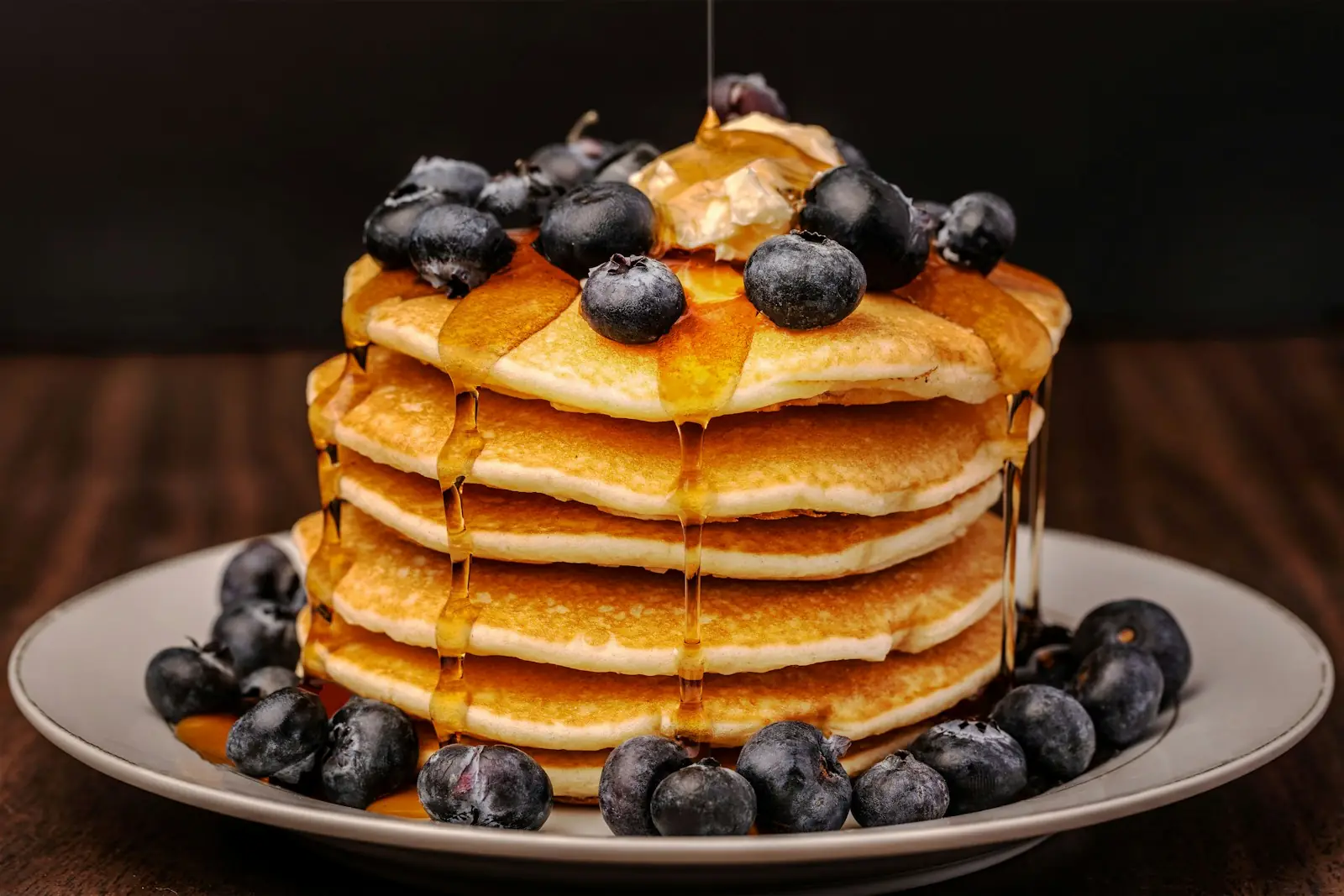
A plate of warm, fluffy pancakes is one of the easiest ways to make a weekend morning feel special, and you do not need a boxed mix to get there. These homemade pancakes come together in one bowl with flour, milk, an egg, a little butter and baking powder, all things most kitchens already have. From the first whisk to the last flip, breakfast is on the table in about 25 minutes.
What makes this version reliably tall and tender is a thick batter, a light hand when mixing and a short five-minute rest. Those three small habits matter more than any special ingredient. Once you have the rhythm down, you will be able to make a stack from memory.
If you are new to cooking breakfast from scratch, this is a great place to start. The steps are forgiving, and the visual cues (bubbles on top, dry edges, a golden underside) tell you exactly when to flip.
Homemade pancakes at a glance
- Taste and texture: lightly sweet with a hint of vanilla and butter; soft, airy centers with golden, gently crisp edges.
- Best for: lazy weekend breakfasts, family brunch and feeding a few hungry people without much fuss.
- Key technique: stir only until the flour disappears, then rest the batter so it thickens before it hits the pan.
Why these pancakes turn out so fluffy
A generous amount of baking powder
A full tablespoon of baking powder gives the batter plenty of lift. It reacts once when it meets the liquid and again when it heats in the pan, which is why the pancakes puff up as they cook. Baking powder loses strength over time, so if yours has been open for many months, test a spoonful in hot water; it should fizz right away.
A thick, lumpy batter
The ratio of flour to milk here makes a batter that pours slowly and holds its shape in the pan. Thin batter spreads into flat, crêpe-like rounds. Leaving small lumps is deliberate: every extra stir develops gluten, and gluten makes pancakes tough and dense instead of soft.
Melted butter in the batter
Butter adds flavor and keeps the crumb tender. Let it cool for a minute or two after melting so it does not start to cook the egg when you whisk them together.
Steady, medium-low heat
Pancakes need time for the inside to set before the outside gets too dark. A pan that is too hot gives you burnt outsides and raw middles. Medium-low heat lets them rise fully and brown evenly.
Fluffy Homemade Pancakes
Equipment
- Large mixing bowl
- Medium bowl or large measuring cup
- Whisk
- Non-stick skillet or griddle
- 1/4-cup measure
- Thin spatula
Ingredients
- 1 1/2 cups all-purpose flour 190 g, spooned and leveled
- 2 tablespoons granulated sugar 25 g
- 1 tablespoon baking powder check it is fresh
- 1/2 teaspoon fine salt
- 1 1/4 cups milk 300 ml, whole or 2%
- 1 large egg at room temperature
- 3 tablespoons unsalted butter 45 g, melted and slightly cooled, plus extra for the pan
- 1 teaspoon vanilla extract
Instructions
- In a large mixing bowl, whisk together the flour, sugar, baking powder and salt until evenly combined.
- In a separate bowl or large measuring cup, whisk the milk, egg, melted butter and vanilla until smooth.
- Pour the wet ingredients into the dry ingredients and stir gently with a whisk or spatula just until no dry flour remains. The batter should be thick and lumpy; do not try to smooth it out.
- Let the batter rest for 5 minutes while you heat a non-stick skillet or griddle over medium-low heat. It is ready when a few drops of water sizzle and skitter across the surface.
- Lightly grease the pan with a little butter. Pour 1/4 cup of batter per pancake into the pan, leaving space between them.
- Cook for 2 to 3 minutes, until bubbles appear across the surface, the edges look set and dry, and the underside is golden brown.
- Flip each pancake once and cook for another 1 to 2 minutes, until the second side is golden and the center springs back when lightly pressed.
- Transfer to a plate and repeat with the remaining batter, adding a little more butter to the pan as needed. Serve warm. The batter makes about 10 to 12 pancakes.
Notes
Tips for perfect pancakes every time
- Measure flour correctly. Spoon it into the cup and level it off rather than scooping straight from the bag, which packs in too much and makes thick, dry pancakes. A kitchen scale (190 g) is even easier, and our cooking tips for beginners explain why.
- Test with one small pancake first. The first one tells you if the heat is right. Adjust before you cook the rest.
- Use a light layer of butter. Too much fat in the pan fries the edges and leaves spotty surfaces. Wipe the pan with a folded paper towel if it looks greasy.
- Flip only once. Wait for bubbles to pop and stay open on the surface, then flip in one confident motion. Do not press the pancakes with the spatula; that squeezes out the air you worked to keep.
- Keep them warm without drying them out. Spread cooked pancakes in a single layer on a sheet pan in a low oven rather than stacking them, which makes them steam and go soggy.
Substitutions and variations
- Buttermilk: swap the milk for the same amount of buttermilk and add 1/2 teaspoon baking soda to the dry ingredients. The batter will be thicker and slightly tangy.
- Dairy-free: use an unsweetened plant milk such as oat or soy and replace the butter with a neutral oil or melted plant-based butter. The results are very close to the original.
- Gluten-free: a cup-for-cup gluten-free flour blend that contains xanthan gum works well here. The pancakes will be a touch more delicate, so flip them carefully.
- Blueberry or chocolate chip: pour the batter into the pan, then scatter a few berries or chips on top before flipping. Mixing them into the bowl tends to sink them and tint the batter.
- Warm spice: add 1/2 teaspoon ground cinnamon to the dry ingredients for a cozy, fragrant stack.
Storage and reheating
Let leftover pancakes cool, then refrigerate them within 2 hours in an airtight container or zip-top bag for up to 3 days. To freeze, lay them in a single layer on a sheet pan until firm, then transfer to a freezer bag with parchment between them. They keep well for up to 2 months.
Reheat refrigerated or frozen pancakes in a toaster, which keeps the edges crisp, or wrapped in foil in a 350°F / 175°C oven for about 10 minutes. A microwave works in a pinch: heat a few at a time for 20 to 30 seconds so they do not turn rubbery.
Uncooked batter is best used right away, because the baking powder starts working as soon as it gets wet.
Common mistakes to avoid
- Overmixing the batter. A smooth batter means overworked gluten and flat, chewy pancakes. Stop stirring as soon as you no longer see streaks of dry flour.
- Cooking on high heat. The outside burns before the middle cooks. Keep the heat at medium-low and give each pancake time.
- Flipping too early. If the edges still look wet and glossy, the pancake will tear or ooze. Wait for set edges and bubbles that stay open.
- Using old baking powder. Pancakes that refuse to rise usually point to tired leavening. Test it, and replace it if it barely fizzes.
Frequently asked questions
Why are my homemade pancakes flat?
The usual causes are overmixing, a batter that is too thin, or baking powder that has lost its strength. Measure the flour carefully, leave the batter lumpy and check that your baking powder still fizzes in hot water.
Can I make the batter the night before?
It is not ideal. Baking powder begins reacting as soon as it is mixed with liquid, so batter left overnight cooks up flatter. A better shortcut is to whisk the dry ingredients together the night before and add the wet ingredients in the morning.
How do I know when to flip a pancake?
Look for bubbles that rise to the surface and pop without filling back in, edges that look matte and set, and a golden underside when you lift a corner with the spatula. That usually takes 2 to 3 minutes on medium-low heat.
Can I make these pancakes without eggs?
Yes. Leave out the egg and add an extra 2 tablespoons of milk plus 1/2 teaspoon more baking powder. They will be slightly softer and less rich, but still light and enjoyable.
How many pancakes does this recipe make?
Using 1/4 cup of batter per pancake, you will get about 10 to 12 medium pancakes, enough for about 4 people.
Serving suggestions
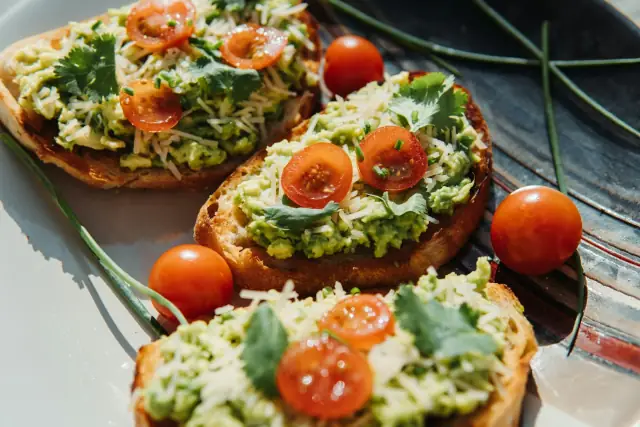
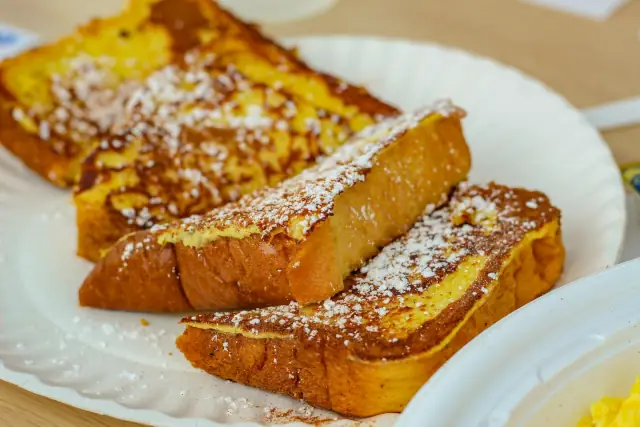
Serve these pancakes warm with butter and maple syrup, fresh berries, sliced bananas or a spoonful of yogurt. For a bigger brunch spread, pair them with a batch of custardy homemade French toast so everyone gets a choice, or set out a plate of easy avocado toast for a savory option alongside the sweet stack.
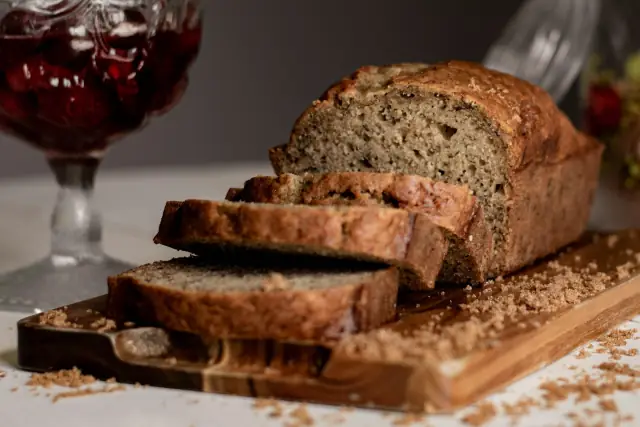
Have a few overripe bananas left after breakfast? Turn them into a loaf of moist homemade banana bread for the week ahead. You can find more morning ideas in our breakfast recipes collection.