Homemade French Toast
Thick slices of bread soaked in a cinnamon-vanilla custard and cooked in butter until golden outside and soft and custardy inside.
- Prep
- 10 min
- Cook
- 15 min
- Total
- 25 min
- Makes
- 4 servings
- Difficulty
- Easy
In this article
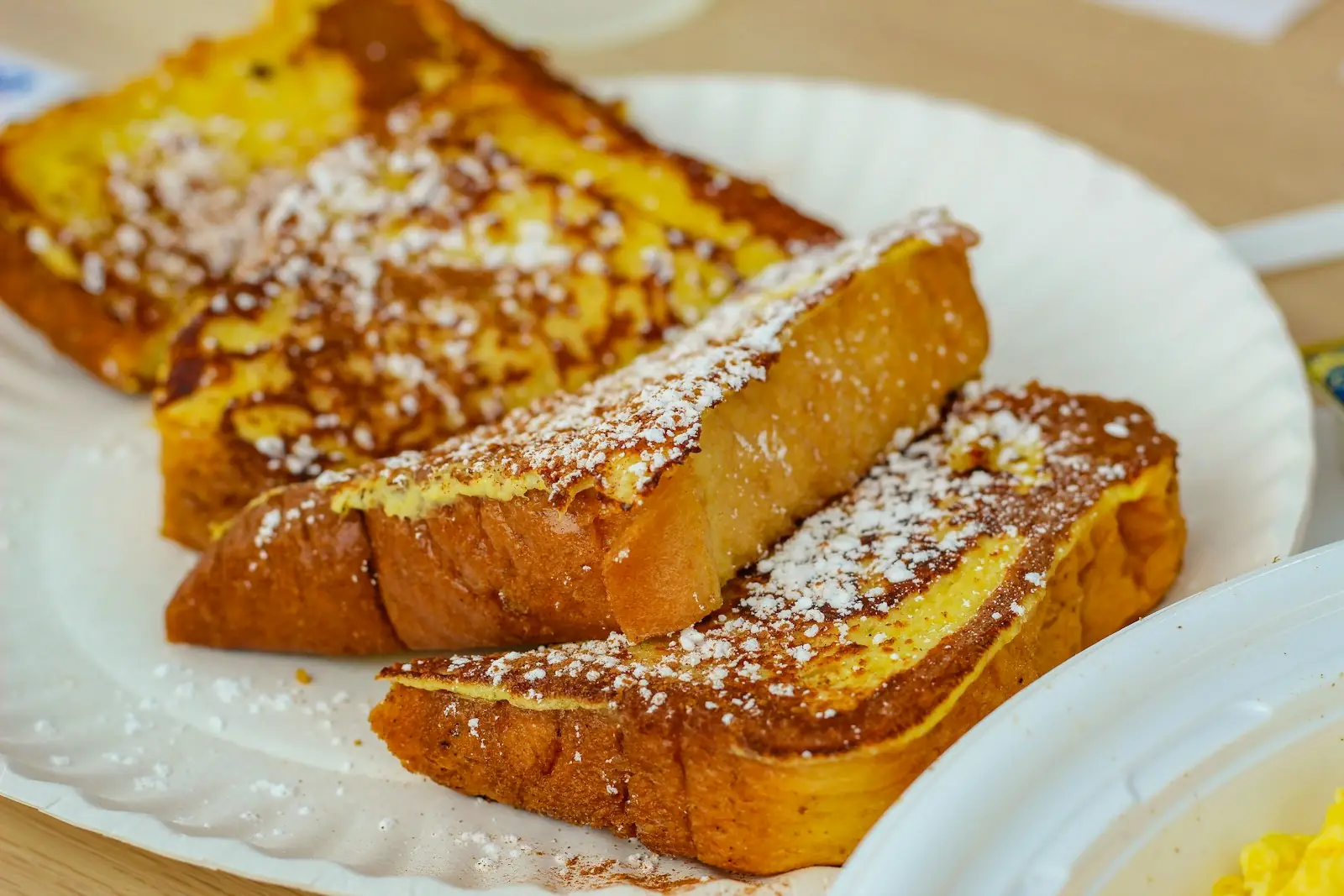
Good homemade French toast is crisp and buttery at the edges and soft, almost custard-like in the middle. It is one of the easiest breakfasts to get right once you know two things: use thick, slightly dry bread, and cook it over gentle heat. This version uses a simple cinnamon-vanilla custard and pantry staples, and it is on the table in about 25 minutes.
It is also a smart way to use bread that is a day or two past its best. Slightly stale slices soak up more custard without collapsing, which is exactly what you want. Brioche and challah make the richest French toast, but thick-cut Texas toast from the bread aisle works beautifully too.
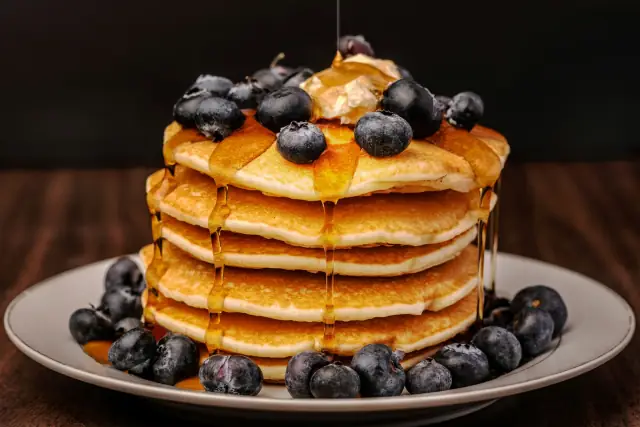
If you are planning a weekend brunch, this pairs well with a stack of fluffy homemade pancakes for a table where everyone gets their favorite.
French toast at a glance
- Taste and texture: golden and lightly crisp outside, soft and custardy inside, with warm cinnamon and vanilla.
- Best for: weekend breakfasts, brunch with friends and using up day-old bread.
- Key technique: a short, even soak and a moderate skillet so the center cooks through as the outside browns.
What makes this French toast custardy, not soggy
Thick, slightly stale bread
Thin sandwich bread soaks through in seconds and falls apart in the pan. Slices 3/4 to 1 inch thick hold their shape, and a little dryness lets them absorb the custard like a sponge rather than turning to mush.
The right egg-to-milk balance
Four eggs to one cup of milk gives a custard that sets into a soft, tender center. Too much milk and the slices stay wet; too much egg and they taste like an omelet. Whole milk adds richness, though you can swap in half-and-half for an even creamier result.
Medium-low heat and butter
Butter gives the best flavor and color, but it burns over high heat. Medium-low heat lets the custard inside cook through in the 3 to 4 minutes it takes the outside to turn deep golden.
Homemade French Toast
Equipment
- Shallow dish or pie plate
- Whisk
- Large nonstick skillet or griddle
- Spatula
- Sheet pan with a wire rack
Ingredients
- 4 large eggs
- 1 cup whole milk 240 ml
- 1 tablespoon granulated sugar
- 1 teaspoon pure vanilla extract
- 1/2 teaspoon ground cinnamon
- 1 pinch salt
- 8 slices thick-cut bread 3/4 to 1 inch thick; brioche, challah or Texas toast, ideally a day old
- 2 tablespoons unsalted butter for the skillet
- maple syrup to serve
Instructions
- Heat the oven to 200°F / 95°C and set a wire rack on a sheet pan inside it to keep the cooked slices warm.
- In a shallow dish, whisk the eggs until no streaks of white remain. Whisk in the milk, sugar, vanilla, cinnamon and salt until smooth.
- Heat a large nonstick skillet or griddle over medium-low heat (about 350°F / 175°C on an electric griddle) and melt about 1/2 tablespoon of the butter.
- Dip a slice of bread into the custard for 10 to 20 seconds per side, depending on thickness and how dry it is, until soaked but not falling apart. Lift it out and let the excess drip back into the dish. Repeat with as many slices as fit in the pan without crowding.
- Cook for 3 to 4 minutes per side, until deep golden brown and the center feels springy rather than soggy when pressed.
- Transfer the cooked slices to the rack in the oven. Wipe out any browned butter if needed, melt more butter and repeat with the remaining bread and custard.
- Serve hot with maple syrup.
Notes
Tips for the best homemade French toast
- Whisk the eggs well first. Beat them on their own before adding the milk, so you do not end up with streaks of cooked egg white on the bread.
- Soak, do not drown. Fresh or thin bread needs only about 10 seconds per side; dense, dry bread can take 20. Lift a corner: it should feel heavy but still hold together.
- Add butter for each batch. A fresh half tablespoon per batch keeps the slices browning evenly. Wipe out dark, burnt bits between batches.
- Keep cooked slices on a rack. A wire rack in a warm oven keeps the bottoms from steaming and going soft while you cook the rest.
- Give the custard a stir. Cinnamon tends to float on top. Whisk the custard briefly between slices so every piece gets its share.
Substitutions and variations
- Dairy-free: use unsweetened oat or almond milk in the custard and a plant-based butter or neutral oil in the skillet.
- Gluten-free: use thick slices of a sturdy gluten-free bread and let them dry out a little first, as gluten-free bread is more fragile when wet.
- Richer custard: swap half the milk for half-and-half or heavy cream.
- Warm spices: add a pinch of ground nutmeg or a little orange zest to the custard.
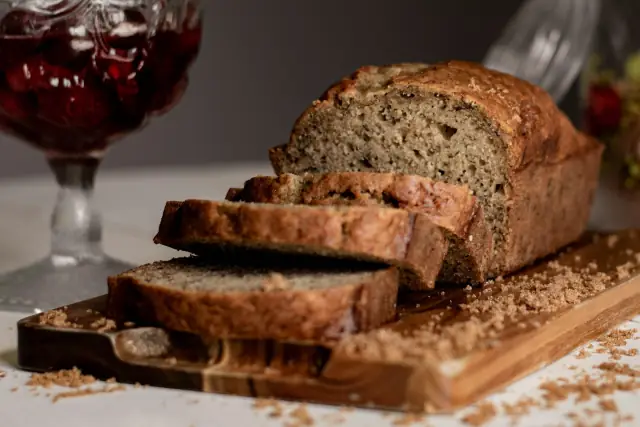
- Banana bread French toast: thick slices of day-old homemade banana bread make a decadent version. Soak them only briefly, as the bread is already moist.
- Toppings: fresh berries, sliced bananas, a dusting of powdered sugar, whipped cream or a spoonful of plain yogurt.
Storage and reheating
French toast is best fresh, but leftovers keep well. Let the slices cool, then refrigerate them in an airtight container within 2 hours of cooking. Store them in a fridge at or below 40°F / 4°C for up to 3 days.
To freeze, lay the cooled slices on a sheet pan and freeze until firm, then transfer to a freezer bag and keep for up to 2 months. Reheat straight from the fridge or freezer in a toaster, or on a sheet pan in a 350°F / 175°C oven for about 10 minutes (a little longer from frozen), until hot and crisp. The microwave works in a pinch but softens the edges. Leftover raw custard should be refrigerated and used within 1 day, or discarded.
Common mistakes to avoid
- Soggy centers. Usually caused by thin or very fresh bread, or by soaking too long. Use thick, day-old bread and keep the soak short.
- Burnt outside, raw middle. The heat is too high. Turn it to medium-low and give each side the full 3 to 4 minutes.
- Eggy streaks. The eggs were not beaten thoroughly. Whisk them alone first, then add the milk.
- Crowding the skillet. Too many slices drop the temperature and make them steam. Cook in batches.
Frequently asked questions
What is the best bread for French toast?
Brioche and challah give the richest, most tender French toast. Texas toast and thick-sliced sturdy white bread are excellent everyday choices. Avoid thin, soft sandwich bread, which falls apart.
Can I make French toast without milk?
Yes. Any unsweetened plant milk works, and even water will do in a pinch, though the result is less rich. Use the same amount.
How do I know when French toast is done?
Both sides should be deep golden brown, and the center should feel springy, not wet, when you press it with a spatula. Cut into the first slice if you are unsure: there should be no runny custard.
Can I make French toast ahead for a crowd?
Yes. Cook it up to an hour ahead and keep the slices warm on a rack in a 200°F / 95°C oven, or cook and freeze it days ahead, then reheat in a 350°F / 175°C oven.
Why is my French toast soggy?
The bread was too thin or fresh, it soaked too long, or the heat was too low to set the custard. Use thicker, drier bread and keep the skillet at a steady medium-low.
Serving ideas for French toast
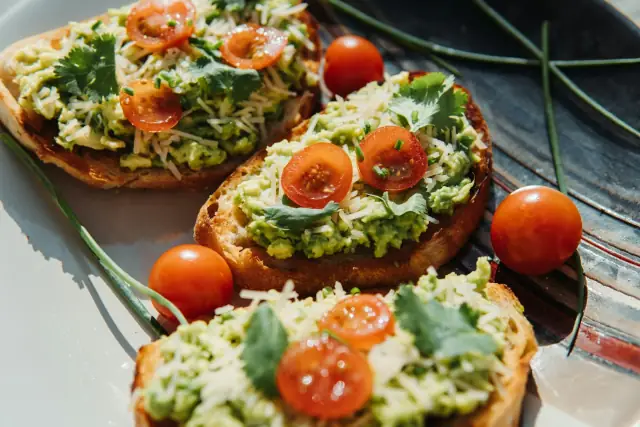
Warm maple syrup and a pat of butter are the classic finish. For a fuller breakfast, add fresh fruit, crispy bacon or scrambled eggs on the side. If you are feeding a mixed crowd, set out our easy avocado toast as a savory option next to the sweet slices.
Love a sweet breakfast? Try our fluffy homemade pancakes next weekend, or bake a loaf of banana bread so you have thick slices ready for the next round of French toast. You will find more morning ideas in our breakfast recipes.