Dinner
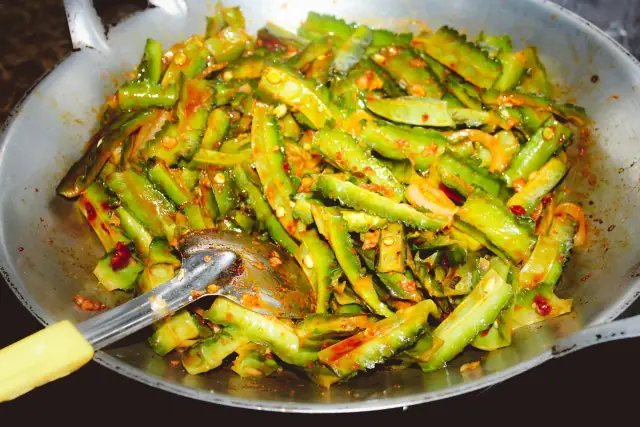
Vegetable Stir-Fry with Garlic Sauce
Crunchy vegetables in a glossy vegetarian garlic sauce, on the table in 25 minutes.
Total time: 25 min
View recipe: Vegetable Stir-Fry with Garlic Sauce
Kitchen guide
Practical habits that make every recipe easier: measuring, heat control, seasoning, food safety and more.
Most kitchen trouble does not come from a bad recipe. It comes from small things: flour packed too tightly into a cup, a pan that was not hot enough, an oven that runs 25 degrees cooler than its dial says. The good news is that these habits are easy to learn, and once you have them, every recipe gets easier.
This guide collects the basics worth knowing before you cook anything on Recipie Knowned. Read it once, and come back whenever something goes sideways.
It sounds obvious, but it is the tip that saves the most dinners. Read the recipe from top to bottom before you turn anything on. You are looking for three things:
Mise en place is a French kitchen term that simply means “everything in its place.” Before you heat the pan, measure your ingredients, chop your vegetables and line them up within reach. This matters most for fast dishes. A recipe like vegetable stir-fry with garlic sauce moves in minutes once the wok is hot, and there is no time to mince garlic while the peppers are scorching. The same goes for vegetable fried rice, where everything should be prepped and waiting.
If your cookies spread less than expected or your cake turned out dry, flour is the usual suspect. Scooping a measuring cup straight into the bag compacts the flour, and you can end up with noticeably more than the recipe intended.
A cup of all-purpose flour measured this way weighs about 4 1/4 ounces (roughly 120 to 125 g). If you own a kitchen scale, weighing is the most reliable method of all, which is why our baking recipes often list weights in the notes. Use dry measuring cups for dry ingredients and a clear liquid measuring cup with a spout, read at eye level, for liquids.
A sharp knife is a safer knife. A dull blade needs more force, slips more easily, and is more likely to slide off a tomato skin and into a finger. Keep one good chef’s knife sharp and you will use it for nearly everything.
Try to cut pieces to a similar size. Even pieces cook at the same rate, which is the whole secret behind evenly browned crispy oven-baked potato wedges.
Heat is an ingredient, and learning to adjust it is one of the biggest steps a home cook can take.
Let your pan heat for a minute or two before adding oil, then let the oil heat until it shimmers before adding food. Food added to a cold pan sticks and steams instead of browning. Ovens need preheating too, usually 15 to 20 minutes, and many take longer than the “ready” signal suggests.
Too much food in one pan drops the temperature and releases steam, so mushrooms turn gray and soggy instead of golden. Cook in batches if needed. It takes a few extra minutes and is worth it.
Salt added in stages, a pinch to the onions, a little to the sauce, more at the end if needed, gives a rounder flavor than one big dose at the finish. Taste at each stage and ask what the dish needs:
Pasta water should taste pleasantly salty, and a ladle of that starchy water is often what turns a sauce glossy, as in our creamy garlic butter pasta.
Oven dials are often a little off, sometimes by a lot. An inexpensive oven thermometer that hangs from the rack tells you the real temperature. Preheat, wait 20 minutes, and compare. If your oven runs hot or cool, adjust the dial to match.
Most ovens also have hot spots, often near the back or the heating element. To find yours, lay slices of plain white bread across a sheet pan and bake at 350°F / 175°C for a few minutes. The slices that brown first show where the heat is strongest. In everyday baking, rotating a tray halfway through cooking evens things out.
A few rules keep home cooking safe. The temperatures and times below follow the guidance from the USDA and FoodSafety.gov, which are good places to check for anything not covered here. A digital instant-read thermometer takes the guesswork out of doneness, and it is one of the most useful tools you can own.
Measure in the thickest part of the meat, away from bone. Color alone is not a reliable guide. When making a dish such as easy homemade chicken curry, check a piece or two of the largest chunks before serving.
Do not leave perishable food at room temperature for more than 2 hours, or 1 hour if it is very hot, above 90°F / 32°C. That includes cooked food cooling down before it goes in the fridge.
Some dishes reheat better than others. A creamy tomato soup warms up gently on the stove, while rice dishes should be cooled quickly and reheated only once.
Cooking forgives improvisation. Baking is a little stricter, because the ratios and temperatures drive the chemistry.
Softened butter traps air when creamed with sugar, and that air helps cakes and cookies rise. Room-temperature eggs blend smoothly instead of making the batter look curdled. Take butter and eggs out 30 to 60 minutes ahead. To warm eggs quickly, set them in a bowl of warm tap water for 10 minutes. Softened butter should give slightly when pressed but still hold its shape.
Once flour meets liquid, mixing develops gluten. That is good for bread, but it makes muffins, pancakes and quick breads tough. Stir until you no longer see dry streaks of flour, then stop. A few lumps in pancake batter are a good sign, and a gently folded batter is what keeps banana bread tender.
A well-stocked pantry means you can cook a decent meal on a night when you did not plan one. You do not need everything at once. Start with these and add as you go:
With these on hand, a can of chickpeas becomes a Mediterranean chickpea salad, and a bag of rice and some frozen vegetables becomes a one-pot vegetable pulao.
Every cook burns something, under-salts something and forgets to preheat at some point. What matters is noticing what happened and adjusting next time. Pick a recipe from all our recipes, use the tips above, and let each meal teach you a little more.
Put it into practice
Crunchy vegetables in a glossy vegetarian garlic sauce, on the table in 25 minutes.

Golden, custardy French toast with cinnamon and vanilla in about 25 minutes.
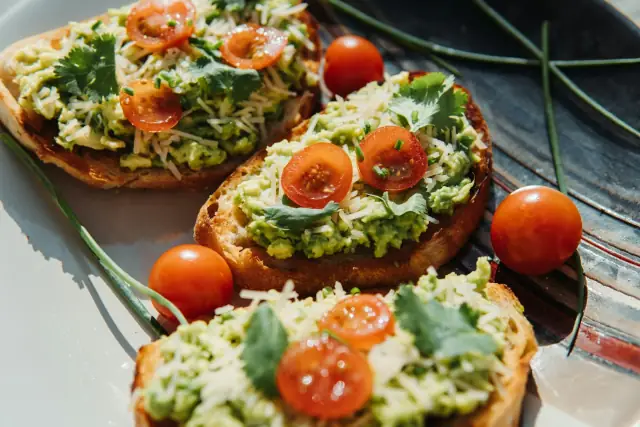
Crisp sourdough, lemony smashed avocado and flaky salt in under 10 minutes.